
A Safe Place to Process
When I asked a client last week if they had “ever experienced sexual assault or any form of sexual abuse” they responded by asking me “is there something about me that makes you think that?”
I replied by telling them: “I ask because it is so common. I ask because out of the hundreds of people I have met throughout my career, I have yet to meet someone without a story of their own or who is not closely related to someone with a story of their own. I ask because the therapy site that specializes in sexual and domestic violence in our small town always has a waitlist.”
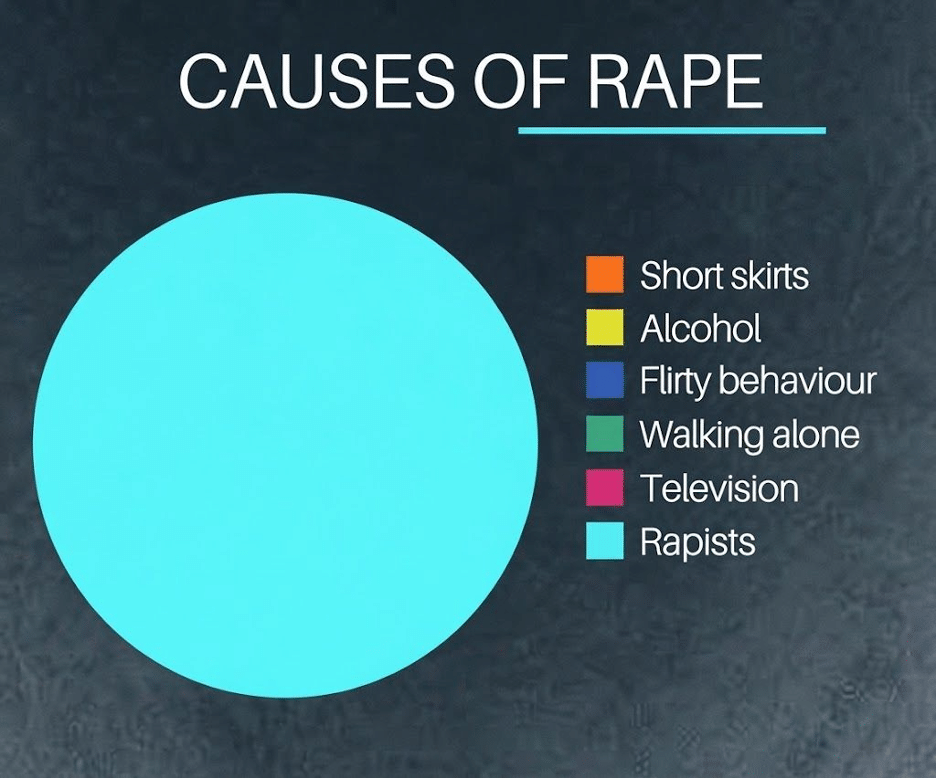
Rape is a 100% preventable issue, yet in Jane Doe’s story from the Cornell 2024 rape case, we are confronted not only by the pain, sadness, disgust, and anger about what happened specifically to her by the seven men who abused her, the 57 men who were complicit, and the four (and likely more) men in administration who minimized the abuse and protected those who caused it. What makes her story especially painful, however, is that her experience – and the ways in which the abuse was excused and dismissed – mirrors the experiences of far too many of our own stories.
In grieving for this young woman, I found my grief compounded by the stories I have heard over the last two years of being a therapist, and they sound like this:
I was 7 years old .. It was my friend’s Dad
I was 10 years old…. It was my neighbor
I was 14 years old … It was my step Dad
I was 18 years old … It was the guy I met on vacation
I was 20 years old … It was the president of the fraternity
I was 24 years old … It was my boss
It was one time.
It was every time they came over.
It went on for years.
I’ve always thought it was my fault.
I wondered why I let this happen.
I’ve never told anyone this before.
I told, but no one believed me.
I told, but they said it was my fault.
I told, but my parents got mad at me.
I told, but nothing happened or changed.
If you have experienced any form of sexual assault, know it was not your fault, you are not alone, and there are so many resources to support you or help you support others. For many people, therapy is the first time in people’s lives where they can finally share what happened to them. Where they learn what happened to them was not okay and not their fault. Where they are believed about what happened and witnessed in their pain. Where they can process how what happened to them shapes their relationships, their conditioning, their self-esteem, and their responses.
Whether you’ve experienced any form of sexual assault or abuse, know someone who has, or are impacted by the stories like Jane Doe in the Cornell case, therapy is a place where you no longer have to be alone in carrying your emotions or your story.
Some people recognize what happened to them right away as assault while other people are able to process later that what happened to them was not okay. No matter where you are at in your process, it is never too late to engage with the following campus and community resources that support victims of sexual assault:
- Thrive SLO: A downtown SLO therapy office that offers in person or telehealth appointments from a team of LGBTQ+ and whole person health focused therapists.
- SAFER: Certified crisis counselors provide 1:1 confidential crisis intervention, emotional support, trauma-informed validation, medical/legal accompaniments, and referrals for students, staff, and survivors (as well as their loved ones)
- Disability Resource Center (DRC): Can provide accommodations for students dealing with the emotional impacts caused by sexual assault trauma
- Lumina Alliance: a therapy organization in SLO that supports victims of domestic and sexual violence
- Cal Poly Counseling and Psychological Services (CAPS): You can schedule a free appointment with an on-campus therapist or call the 24/7 crisis line providing at (805)756-2511